-
Linux is an operating system (OS) – the core software that lets a computer, phone, or other device run programs and talk to its hardware.
-
Think of it as the manager that coordinates everything: the keyboard, the screen, the internet connection, and the apps you use.
-
Unlike Windows or macOS, Linux is free and its source code is open‑source, meaning anyone can see, modify, and share it.
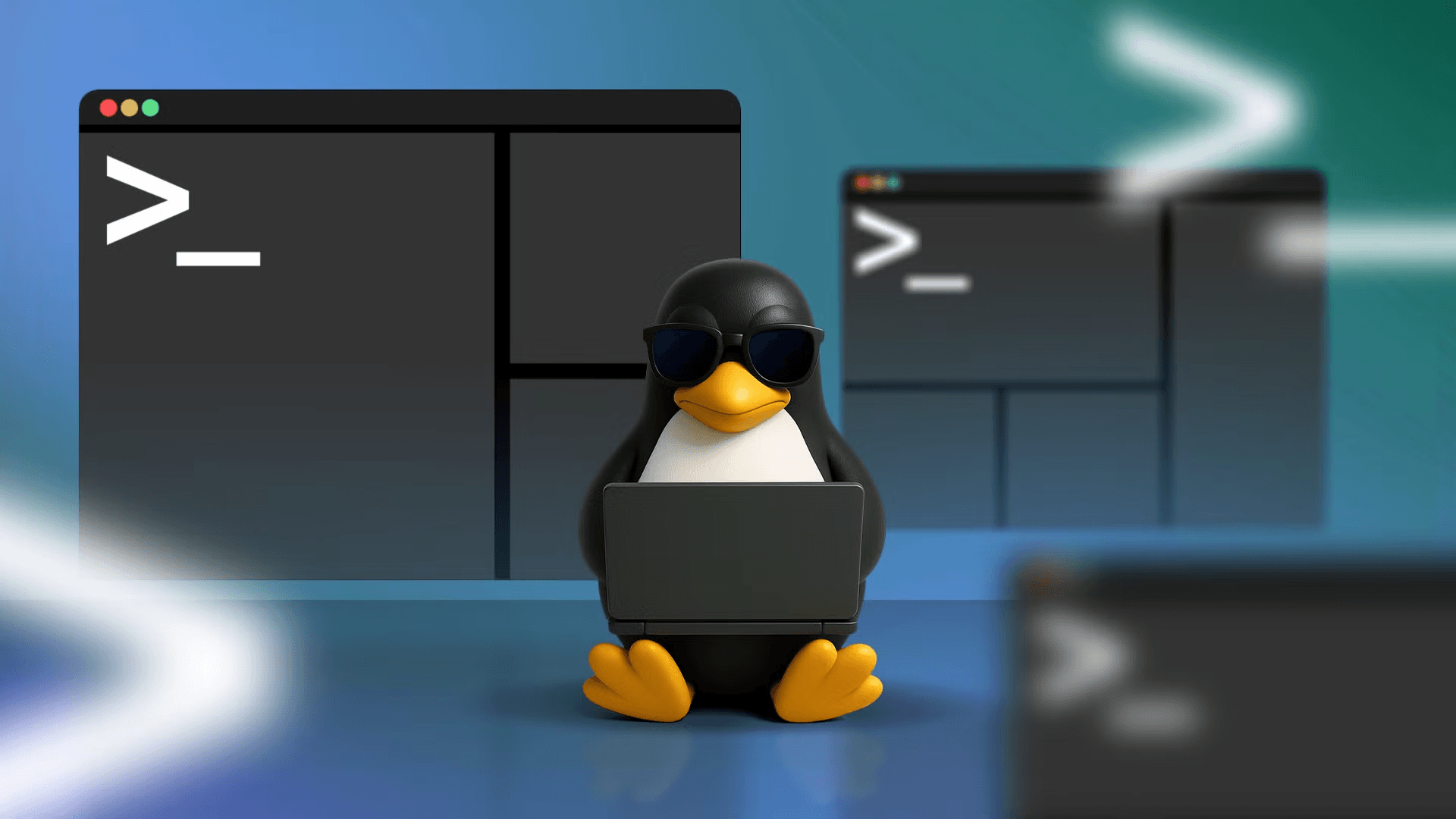
Linux
What is Linux?
📖 In Simple Terms
🖥️ Where You Might See Linux
-
Servers that power websites, cloud services, and online stores.
-
Smartphones – Android is built on the Linux kernel.
-
Supercomputers and scientific research machines.
-
Smart TVs, routers, IoT devices, and even some car infotainment systems.
-
Personal computers – many people install Linux on their laptops or desktops as an alternative OS.
🛠️ How Linux Works
-
Kernel – the heart of Linux; it directly controls the hardware (CPU, memory, devices).
-
Distributions (distros) – packaged collections of the kernel plus software, tools, and a user interface (e.g., Ubuntu, Fedora, Mint).
-
Desktop Environments – the visual “look” you interact with (GNOME, KDE, Xfce, etc.).
-
Package Managers – tools that install, update, and remove software automatically (apt, dnf, pacman).
🤝 Community & Open Source
-
Developed by a global community of volunteers, companies, and universities.
-
Anyone can contribute code, report bugs, write documentation, or help with translations.
-
The open nature encourages transparency, security audits, and rapid innovation.
✅ Why People Like Linux
-
Free – no license fees for the OS itself.
-
Customizable – you can tweak everything from the look of the desktop to the core system behaviour.
-
Stable & Secure – widely used for servers because it handles long uptimes and resists malware.
-
Lightweight Options – can run on older or low‑power hardware, extending the life of devices.
-
Privacy‑Focused – fewer built‑in telemetry features compared to some commercial OSes.
📦 Popular Linux Distributions (Distros)
-
Ubuntu – user‑friendly, great for beginners, strong community support.
-
Fedora – cutting‑edge features, backed by Red Hat.
-
Linux Mint – Windows‑like desktop, easy transition for new users.
-
Debian – rock‑solid stability, foundation for many other distros.
-
Arch Linux – minimal base, lets you build a system exactly how you want it.
TL;DR; Linux is the free, open‑source “brain” that runs countless devices worldwide, offering flexibility, security, and a vibrant community for anyone who wants to use or shape it. 🚀
More in this section

